Commercial Wood Floor Refinishing vs. Replacement: What to Consider
People seeking commercial wood floor refinishing or replacement typically want to restore or upgrade their floors, and nearby service providers can help determine the best solution for their space.
If you're exploring options for maintaining or upgrading your commercial wood floors, you're in the right place. Property owners in the area often face the decision between refinishing existing wood floors or opting for complete replacement, especially when considering factors like wear, appearance, and long-term durability. Understanding the differences and practical considerations can help ensure the best choice for your space. Local contractors specializing in wood floor services can assess your floors' condition and guide you through the options, whether that means revitalizing with professional refinishing or recommending a full replacement when necessary.
Deciding between commercial wood floor refinishing and replacement involves weighing factors such as the current state of the flooring, budget constraints, and the desired aesthetic. Many property owners find that refinishing offers a cost-effective way to restore beauty and extend the lifespan of their floors, while replacement might be suitable for severely damaged or outdated surfaces. Service providers in the area are experienced in both approaches and can help evaluate your specific needs, ensuring that your decision aligns with your property's goals and usage. Keep reading to learn more about what to consider when making this important choice.
- Commercial wood floor refinishing - ideal for restoring worn or damaged floors when the existing surface can be rejuvenated to extend its lifespan, with local contractors applying sanding and finishing techniques.
- Commercial wood floor replacement - necessary when the flooring has extensive damage or structural issues that cannot be addressed through refinishing, with local pros handling removal and installation of new flooring.
- Commercial wood floor refinishing - suitable for updating outdated finishes or achieving a uniform appearance without replacing the entire floor, with local service providers assessing surface condition before refinishing.
- Commercial wood floor replacement - appropriate for floors with deep gouges, warping, or water damage that refinishing cannot repair effectively, with local contractors managing the demolition and replacement process.
- Commercial wood floor refinishing - a cost-effective option for maintaining the appearance of existing hardwood floors when surface imperfections are the main concern, with local pros customizing finishes to match the original look.
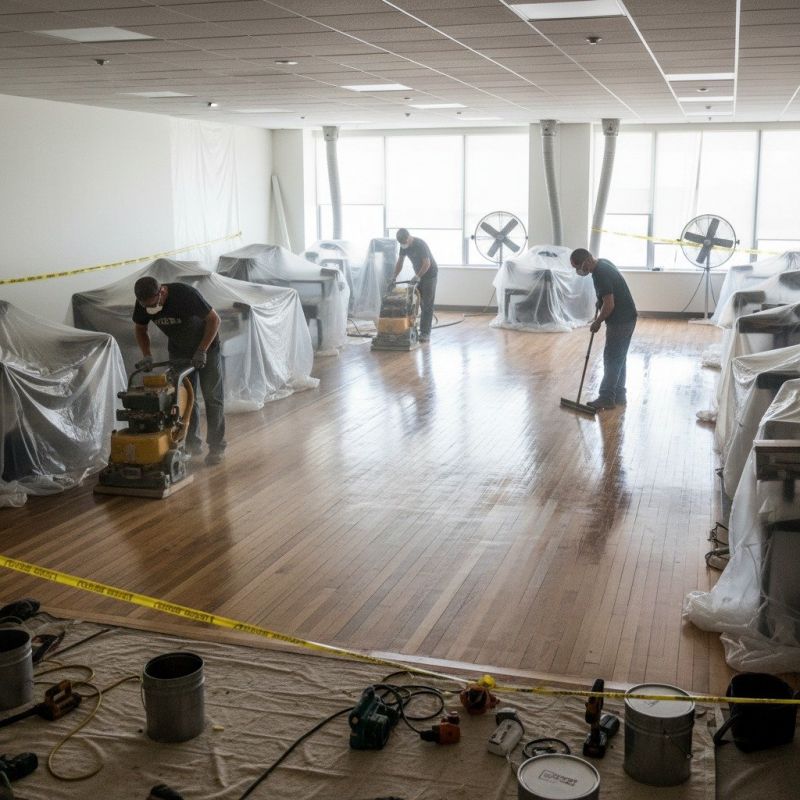
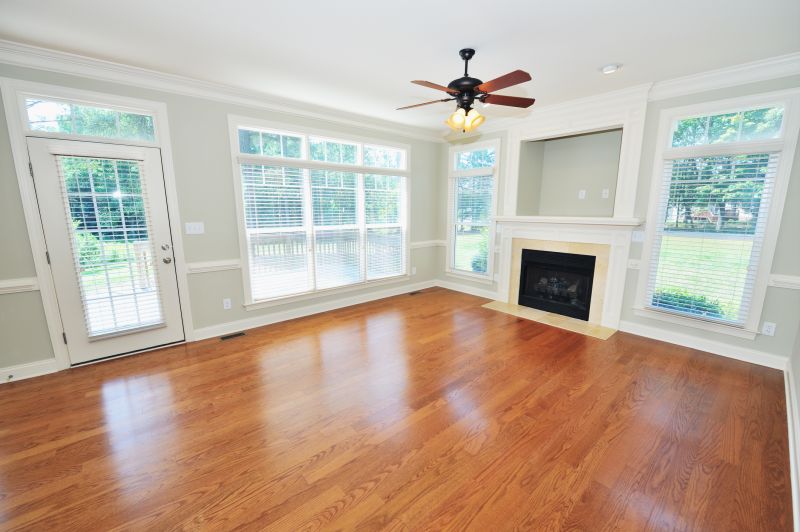
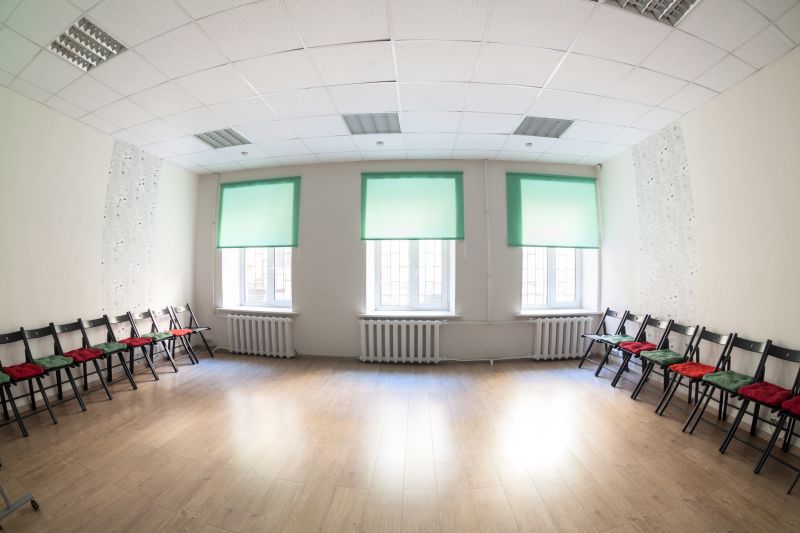
When homeowners or property managers search for information on commercial wood floor refinishing versus replacement, they are typically looking to understand the best way to restore or upgrade their existing flooring. This topic often arises in the context of maintaining high-traffic areas such as retail stores, office buildings, restaurants, or hospitality venues, where flooring durability and appearance are critical. People exploring this subject are usually trying to decide whether to invest in refinishing existing wood floors to improve their look and longevity or to replace them altogether due to damage or outdated styles. The decision can be driven by factors like the current condition of the flooring, the desired aesthetic, and the long-term needs of the property.
The core issues related to commercial wood floor refinishing versus replacement often involve assessing the extent of damage, the age of the flooring, and the overall goals for the space. For example, floors that have superficial scratches, dull finishes, or minor wear can often be revitalized through refinishing, which involves sanding down the surface and applying new finishes. Conversely, floors with deep gouges, structural issues, or extensive water damage may require full replacement to ensure safety and a consistent appearance. Property owners also consider the disruption caused by each option, as refinishing typically involves less downtime than a complete removal and installation of new flooring.
Different types of properties frequently come into conversations about this topic. Commercial spaces with large, open-floor plans, such as retail outlets, office lobbies, and hospitality venues, often require durable, long-lasting solutions. These properties may have high foot traffic, which accelerates wear and tear, making the choice between refinishing and replacement more urgent. Additionally, properties with historic or architectural significance might favor refinishing to preserve original features, while newer buildings with less historic value might lean toward replacement if the existing flooring is beyond repair. Local contractors specializing in wood floor services can help evaluate the condition of the floors and recommend the most practical approach based on the property's specific needs.
Understanding the differences between commercial wood floor refinishing and replacement helps property owners make informed decisions aligned with their goals. Professional service providers in the area can assess the current state of the flooring, discuss the benefits and limitations of each option, and execute the chosen solution efficiently. Whether the goal is to extend the life of existing floors through refinishing or to achieve a fresh, modern look with replacement, connecting with experienced local contractors ensures that the project meets both aesthetic and functional requirements. This approach helps property owners maintain attractive, durable flooring suited to their space’s unique demands.
Commercial flooring installation - professionals skilled in installing various types of flooring share techniques applicable to wood floor replacement projects and planning considerations for refinishing versus replacement.
Floor sanding and finishing - this service involves preparing wood surfaces, a key step in refinishing projects and understanding when replacement might be necessary for damaged floors.
Subfloor repair and preparation - ensuring a stable foundation for new or refinished wood floors aligns with the planning process of choosing between refinishing and replacement.
Interior renovation services - contractors experienced in remodeling projects often handle flooring upgrades, helping clients evaluate whether refinishing or replacing is best for their space.
Custom wood flooring design - designers work with local contractors to select appropriate wood types and finishes, relevant to decisions about refinishing versus replacing existing floors.
Flooring removal and disposal - specialists in removing old flooring provide insights into the scope of replacement work and how it compares to refinishing options.
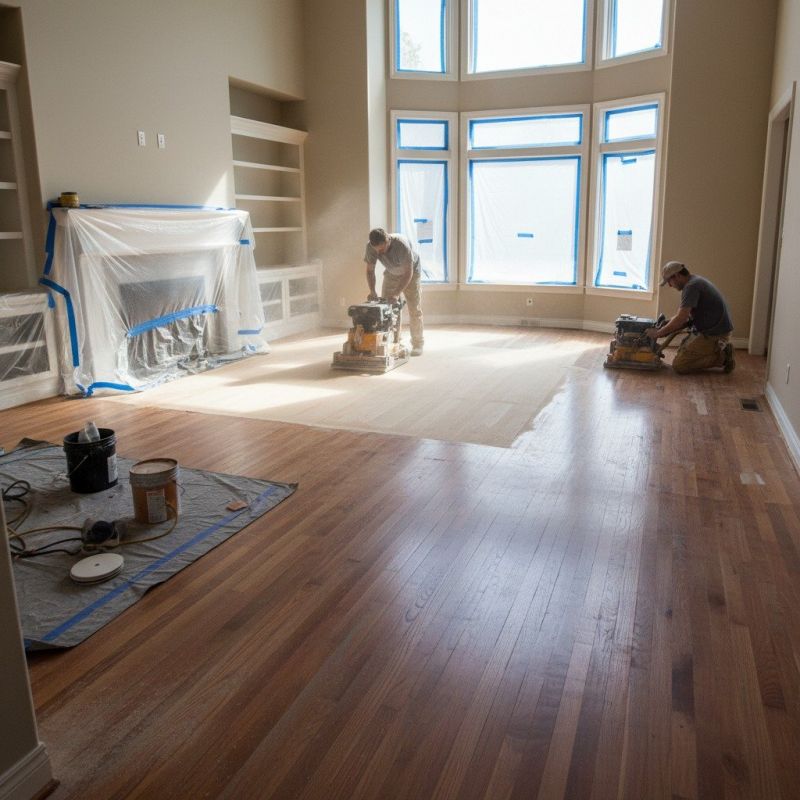
When evaluating options between commercial wood floor refinishing and replacement, it’s important to consider the experience of local contractors with similar projects. An experienced service provider will have a clear understanding of the specific challenges and requirements involved in refinishing or replacing wood floors in commercial settings. They can offer insights into the best techniques and materials suited for your space, ensuring the chosen approach aligns with the condition of your existing flooring. Checking references or reviews from previous clients who had comparable work done can provide a sense of a contractor’s familiarity with the scope and complexity of projects like yours, helping to inform a confident decision.
Clear, written expectations are essential when comparing local contractors for either refinishing or replacement services. A reputable service provider should be able to outline the scope of work, the materials they plan to use, and the steps involved in completing the project. This transparency helps ensure that both parties have a shared understanding of what the work entails, reducing the risk of misunderstandings or surprises. When discussing your project, it’s beneficial to ask for detailed proposals or written estimates that specify the work to be performed, so that the decision-making process is based on comprehensive information rather than assumptions.
Effective communication and reputable references are key factors in selecting the right local pros for your wood flooring needs. A contractor who communicates clearly and promptly demonstrates professionalism and respect for your project. Additionally, references from previous clients can provide insights into the contractor’s reliability, quality of work, and ability to manage projects similar to yours. Establishing a good rapport with service providers early on can lead to smoother coordination throughout the project, whether choosing to pursue refinishing or replacement. Ultimately, working with local contractors who prioritize clear communication and have a track record of satisfied clients can contribute to a successful outcome for your commercial wood flooring project.
Property owners often search for commercial wood floor refinishing vs. replacement: what to consider when they are planning practical projects around their homes and businesses. Local pros provide Wood Floor Refinishing or Replacement services for everyday jobs and straightforward project options.
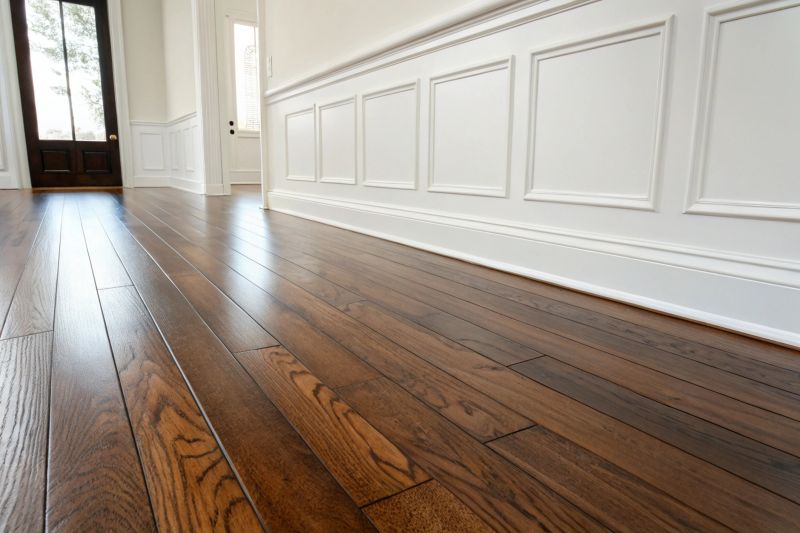
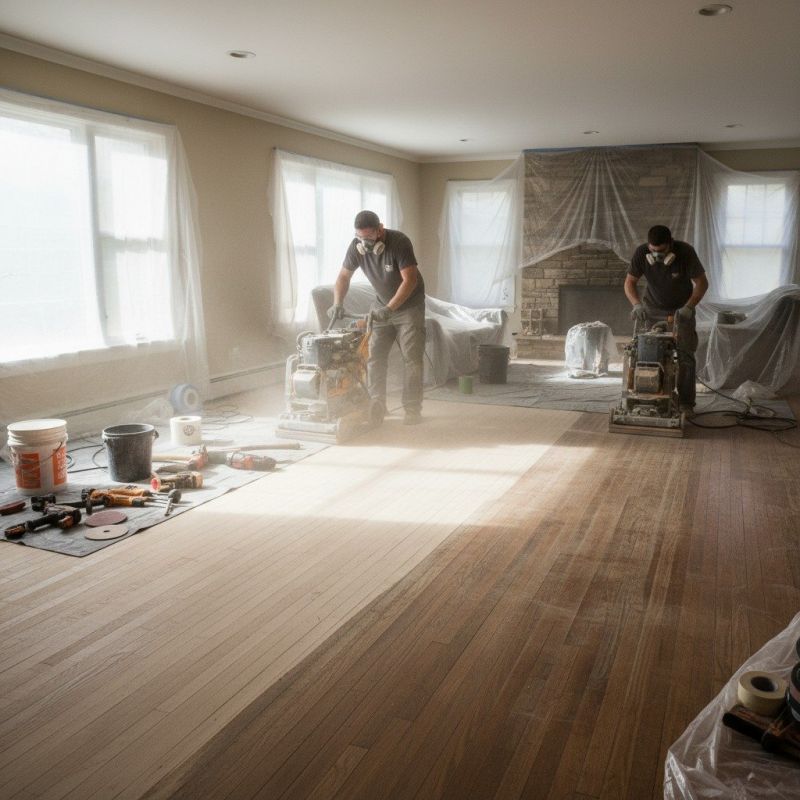
When property owners consider commercial wood floor refinishing versus replacement, they often evaluate the current condition of their floors and the scope of needed repairs. For floors that have surface scratches, dullness, or minor damage, refinishing can be a practical solution that restores the appearance without the need for a full replacement. Local contractors specializing in wood floor refinishing can assess the existing surface and determine if sanding and refinishing will achieve the desired look, making it a cost-effective and less disruptive option for many commercial spaces.
On the other hand, replacement may be necessary when floors are severely damaged, warped, or have extensive structural issues that refinishing cannot address. In such cases, local service providers can handle the removal of old flooring and installation of new materials, ensuring a fresh and durable surface. Property owners weighing these options often seek guidance from local pros who can evaluate the condition of their floors and recommend the most suitable approach, helping them make informed decisions based on their specific project needs.
When should a commercial wood floor be refinished instead of replaced? Refinishing is suitable when the existing floor has surface wear or minor damage, but the underlying structure remains sound. Replacement may be necessary if the floor has deep damage, extensive warping, or structural issues that refinishing cannot address.
How do I determine if my wood floor needs replacement rather than refinishing? A professional assessment can identify severe issues like deep cracks, significant water damage, or extensive rot that typically require replacement instead of refinishing.
What are the benefits of refinishing a wood floor compared to replacing it? Refinishing preserves the original flooring, is generally less disruptive, and can restore the appearance without the cost and effort of removal and installation involved in replacement.
Can local contractors advise on whether refinishing or replacement is better for my commercial space? Yes, experienced service providers can evaluate the condition of the existing floor and recommend the most practical solution based on its current state and usage needs.
What factors influence the decision between refinishing and replacing a wood floor? Factors include the extent of damage, age of the flooring, desired appearance, and whether structural issues are present, all of which local pros can help assess to guide the best choice.
Assessing Floor Condition - Evaluating the current state of the wood floors can help determine if refinishing will restore their appearance or if replacement is necessary for significant damage.
Considering Usage and Traffic - High-traffic commercial spaces may benefit from durable refinishing options or decide on replacement for long-term resilience.
Matching Aesthetic Goals - Deciding between refinishing and replacement involves choosing whether to preserve existing wood or update the style with new flooring materials.
Evaluating Cost and Disruption - Understanding the practical impact of each option on business operations can guide property owners toward the most suitable choice with local contractors.
If you are thinking about commercial wood floor refinishing vs. replacement: what to consider for a property, this guide is meant to help you understand this topic, the typical project types, and how different options might fit your plans.
When you are ready, you can use the quote form on this page to share a few details about your project. From there, local pros can review the basics and follow up with options that match what you have in mind.